You might be curious about whether ultrasonic lizard repellents can effectively keep these pests at bay. These devices claim to disrupt lizards’ auditory systems with high-frequency sound waves. However, the scientific community remains divided on their overall effectiveness lizard repellent spray. Some studies suggest temporary changes in behavior, but are these results sustainable? As you consider your options for pest management, it’s essential to explore both user experiences and alternative solutions.
Understanding Ultrasonic Technology
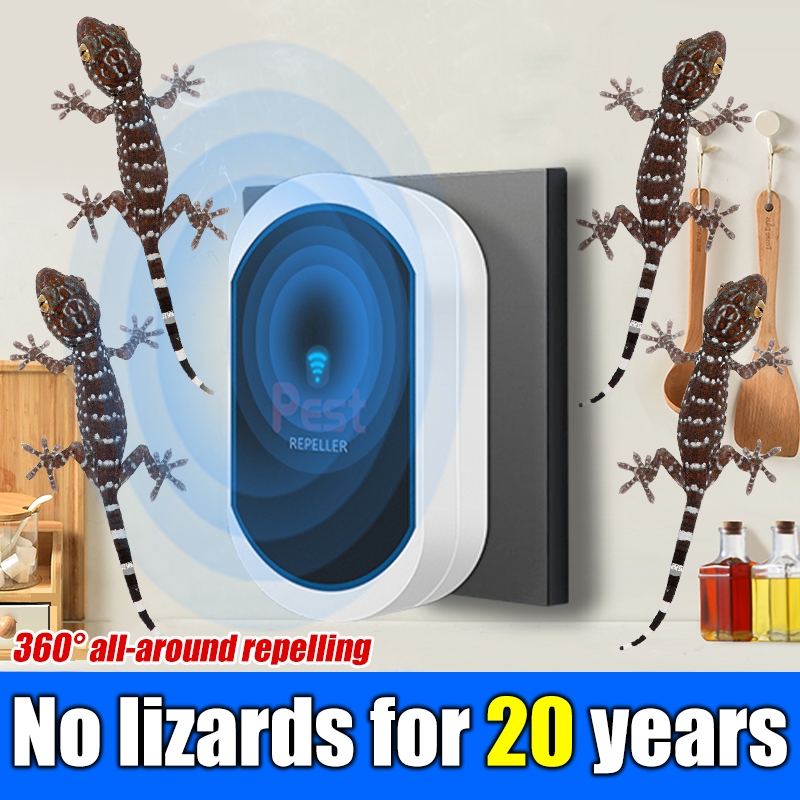
While you might be familiar with various pest control methods, understanding ultrasonic technology reveals how it operates to deter unwanted creatures like lizards.
This technology utilizes ultrasonic waves, which are sound frequencies above human hearing capabilities. These waves disrupt the auditory and nervous systems of pests https://igreenasia.com/, altering their behavior and making environments less appealing for them.
Research indicates that lizards, sensitive to these frequencies, may experience disorientation or irritation, leading to an instinctive avoidance of treated areas.
By leveraging this natural pest behavior, ultrasonic repellents aim to create a hostile environment for lizards without using harmful chemicals.
Ultimately, this method supports a more humane approach to pest management, aligning with a desire for freedom from unwanted invaders.
How Ultrasonic Repellents Claim to Work
Ultrasonic repellents claim to work by emitting high-frequency sound waves that specifically target the auditory systems of lizards and other pests.
These sound frequencies are beyond the range of human hearing, but they can disrupt lizard behavior, causing discomfort and disorientation.
When you use these devices, they create an environment that’s less appealing to lizards, ideally encouraging them to leave the area.
The theory suggests that the constant exposure to these high frequencies interferes with their navigation and communication abilities, ultimately leading to a decline in their presence.
However, the effectiveness of these ultrasonic waves varies among different species, and individual responses can differ.
Understanding this mechanism helps you gauge whether such repellents might suit your needs for lizard control.
Scientific Evidence and Studies
The effectiveness of ultrasonic lizard repellents has been the subject of various scientific studies, aiming to validate their claims. Research on ultrasonic frequency effects suggests that certain frequencies may disrupt lizard behavior. However, findings are mixed.
Some lizard behavior studies indicate that while ultrasonic sounds can cause temporary discomfort, they often don’t lead to long-term repulsion. In controlled environments, lizards showed varied responses, with some species seemingly unaffected by ultrasonic frequencies.
This inconsistency raises questions about the general applicability of these repellents. Ultimately, while ultrasonic lizard repellents might influence lizard behavior temporarily, substantial evidence is lacking to support their effectiveness as a reliable long-term solution.
As a result, it’s essential to reflect on these factors before relying on them for pest control.
User Experiences and Testimonials
Many users report mixed experiences with ultrasonic lizard repellents, reflecting a range of outcomes in different environments.
User feedback often highlights variations in effectiveness based on factors like location and lizard species. Some individuals share personal stories of success, noting significant reductions in lizard sightings after installation.
Conversely, others express frustration, claiming the devices failed to deter lizards altogether. Environmental conditions, such as the presence of obstacles or competing sounds, seem to influence results as well.
While some users celebrate their newfound lizard-free spaces, others remain skeptical, seeking additional solutions. Overall, the anecdotal evidence suggests that while ultrasonic repellents may work for some, they aren’t a guaranteed fix for everyone.
Alternatives to Ultrasonic Repellents
While ultrasonic repellents offer one approach to managing lizard populations, several alternatives might be more effective depending on your specific situation.
You might consider using natural repellents, such as essential oils like peppermint or citrus, which can deter lizards without harming them or the environment.
Additionally, employing physical barriers, such as screens or mesh, can effectively prevent lizards from entering your space.
Seal cracks and openings in your home to minimize access points.
Maintaining a tidy outdoor area by removing debris and food sources can also discourage lizard populations.
Conclusion
To sum up, while ultrasonic lizard repellents may offer some temporary relief by disrupting lizards’ auditory systems, their long-term effectiveness remains questionable. Scientific studies show mixed results, and user experiences vary considerably based on lizard species and environmental factors. For a more reliable pest management strategy, consider combining ultrasonic devices with other methods, such as physical barriers and natural repellents. Ultimately, understanding the limitations of these devices can help you make informed decisions for your pest control needs.